

Fixing a Drip Coffee Maker
It's time to repair your leak if water is leaks from the safety valve of your drip coffee machine. You're likely to be able fix it.
We will also explore how to maintain the coffee maker and also learn various ways to make great coffee using a drip coffee machine.
1. Carafe Leaks
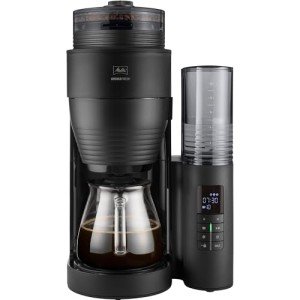
Drip coffee is brewed by pouring hot water over ground coffee beans and permitting the coffee to soak through before being poured into an vessel such as a pot or carafe. It can be made in various ways, with different terms used to describe the resulting coffee depending on the method employed and the equipment used. Pour-over, French drip and automatic drip are some of the most popular methods.
A drip coffee maker is a fantastic way to get your morning fix without having to wait in a line at a cafe or for the coffee to brew. The ease of these machines can be a problem when they malfunction. One of the most common problems is that the coffee maker can leak when you try to pour it. This can be a pain and create messy, but it can also cause you to burn your hands or other surfaces.
It is the position of the coffee maker that could cause it to leak when you pour. Typically the spout will be at the back of the carafe, near the reservoir for water. This is because there's not enough room on the front of the carafe to create a large, easy to pour spout and because of surface tension.
Liquids tend to follow the path with the least resistance which means that when it comes to flowing liquids, they'll go where the pressure is lowest. Some older drip coffee makers drip if you try to pour.
There is an easy solution to this issue. You can solve this issue by moving the spout towards the front of the carafe. This may solve your dribbling issue and prevent you from having to wash your counters in the morning.
The amount of coffee you put in the carafe may also be the reason for the dribbling. It is recommended that you make use of two tablespoons of coffee for every six ounces of water. But the density of your grounds can change, so you might have to adjust the ratio. A kitchen scale is an effective tool to monitor the ratios between water and coffee and avoid over- or under-extraction.
2. Spout Leaks
If you've ever looked at different drip coffee makers that are budget-friendly, you know that they come in a wide range of shapes and sizes. Some have thermal carafes while others don't. Some pour the water with rings with a tight spout while others use larger ones.
The valve on the end of the hose can influence the way that the machines disperse water. This valve can become clogged by gunk and lead to spout leaks. It is simple to fix this issue: unplug the reservoir, empty all of the water in the reservoir into a sink and then take the valve off and scrub it clean.
3. Safety Valve Leaks
Bialetti pots are said to function flawlessly, whether you're lying in bed or heading into the kitchen to flick the magic switch. If you don't hear a noise or rumbling, it may be the time to look into.
There's a gap in the bottom of the bucket as well as an extension tube that connects to it. During the boiling process, the tube carries the water to the drip area. The tube has a one-way flow valve that allows cold water to flow back to the bucket, but forces the bubbles from boiling water to rise in the coffee pot.
If you're seeing pressure or steam being continuously released from your coffee maker via the safety valve, there's a chance it is blocked and requires servicing or even replacement. Put a bucket on top of the safety valve pipe, and then press the lever up a few times. (Use gloves as the water is hot). This might cure the issue, but if it doesn't, it might be time to get an expert. This is a lengthy job, as the valve must be removed and dismantled.
4. drip pot coffee maker Leaks
The reservoir and filter are the core of every drip coffee maker. They are the place where water begins and ends its journey to brew your morning cup of joe. It is crucial to follow the correct water usage guidelines, as well as cleaning and maintenance routines, during the brewing cycle. This will ensure that your coffee maker continues to work at its best.
When you switch on your coffee maker, the water in the reservoir is heated by the resistive heating element and the heat rises up through a white tube which runs upwards from the reservoir's base. The hot water flows over the coffee grounds and begins to absorb flavors from the grounds. As the hot water flows over the coffee grounds, it picks up coffee oils that are released during roasting. These oils give coffee its characteristic flavor and aroma.
Mold can grow on coffee grounds that are wet in the event that they are left out too long. To prevent this from happening it is recommended to store the wet coffee grounds in a manner that allows them to dry more quickly (e.g. hanging, separate from the coffee maker or propped up to allow air flow or air flow, etc. ).
If the grounds of coffee are not the proper size for your drip coffee maker, they may hinder the flow of water or cause overflows. For this reason, it is recommended to use only one suitable-sized filter made of paper or reusable for your drip coffee maker. It is also an excellent idea to play with the brew time to determine what setting will give you the best flavor.
For optimal performance Regular cleaning and descaling is also required. Follow the manufacturer's instructions for the proper cleaning and descaling methods to eliminate the buildup of minerals from your machine. Also, try using water that has been filtered or bottled instead of tap water since it will result in better tasting coffee.